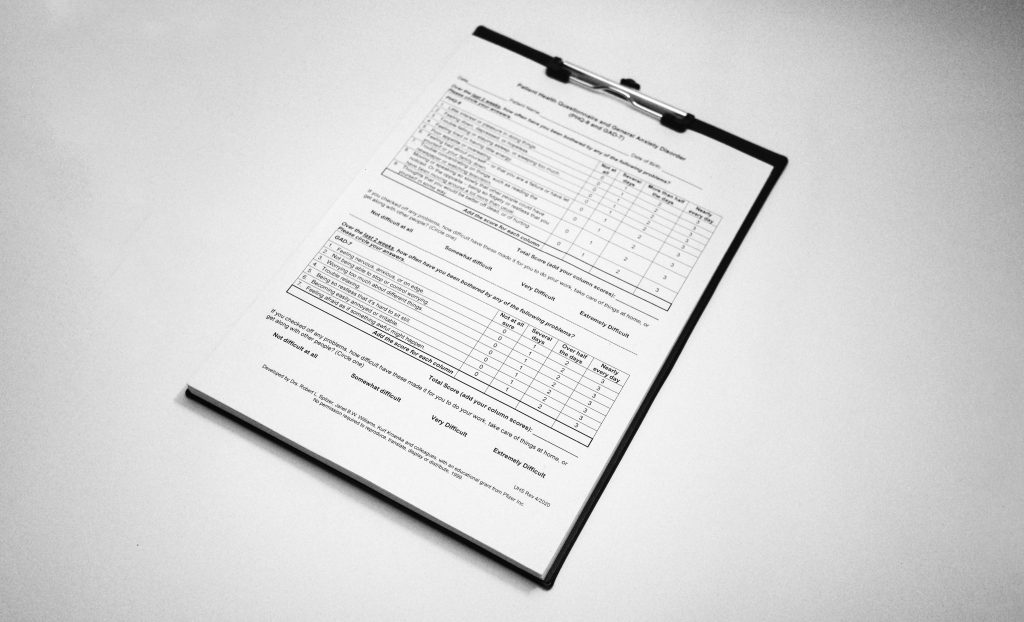
Three days prior to the deadline, I chose to change the direction of my work for this brief, selecting an entirely new source material. I received an email from my therapist, requesting that I complete an anxiety and depression assessment, clinically known as the PHQ-9 & GAD-7. This form aims to assess the severity of symptoms. The results could be used as a supplementary tool for diagnosis, to measure the need for treatment, or to monitor the efficacy of treatment.
I have an extensive history with these questions, having completed the questionnaire at least one hundred times, since beginning treatment as a young teen.
For patients with chronic mental illness, this form becomes a formality, often required by insurance providers to substantiate the need for continued treatment – its a bureaucratic nightmare, wherein your most intimate, complex and tumultuous feelings are synthesized into a number. In general, the form is administered every 4-6 weeks, with additional occurrences for new treatments or GP visits.
Speaking from my experience, it’s meaning has gradually diminished over time. I explored two separate methods of translating in this project.
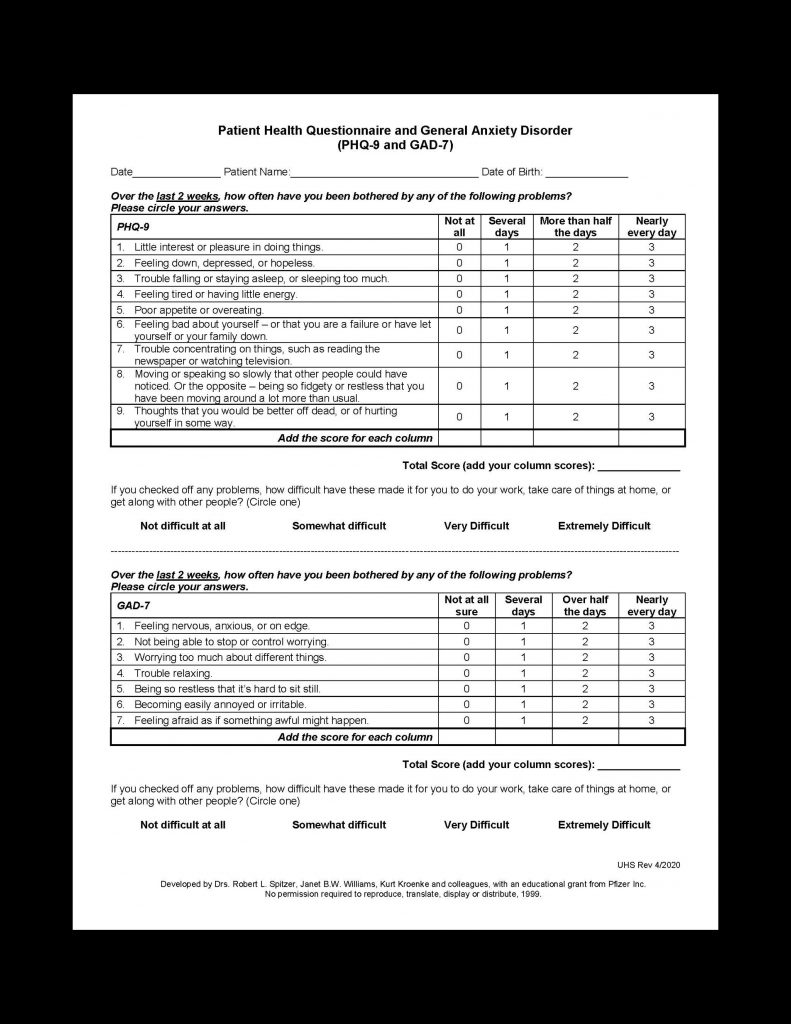
How can I convey the pejorative semantic shift that I have experienced by repeatedly engaging with these questions by translating the language used into something [still effective] but new?
I examined each question thoroughly and broke them down into dynamic parts. I wrote a script with new language that could be randomly generated, challenging the monotony and loss of meaning experienced by repeatedly answering the same questions.
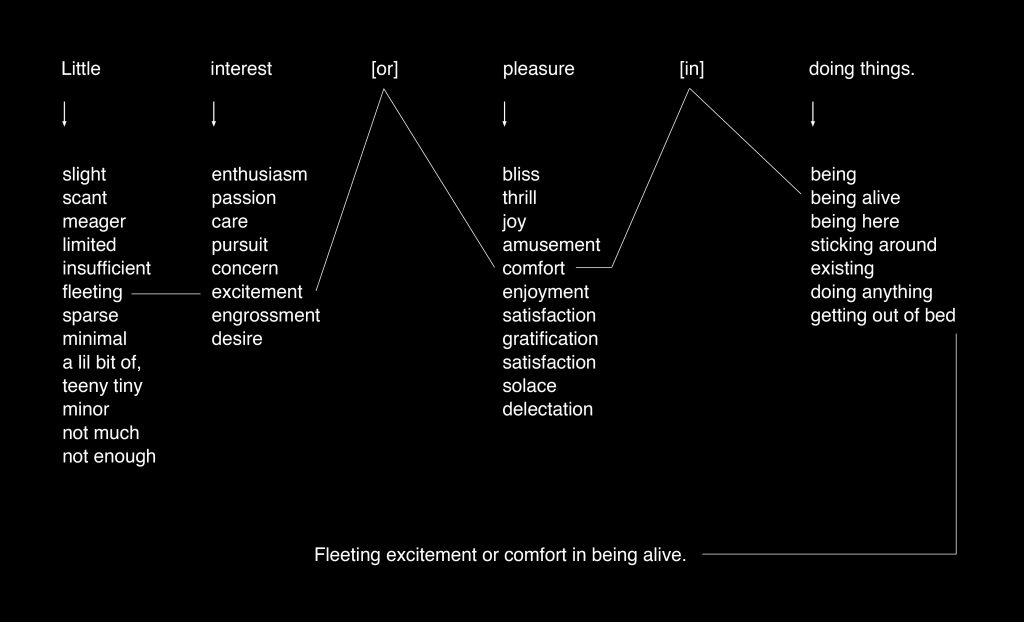
I developed a tool to randomly generate new questions for both assessments, using the new vernacular that I wrote as source data.
In order to build this generator, I used ChatGPT to write the code that I input into p5.js.
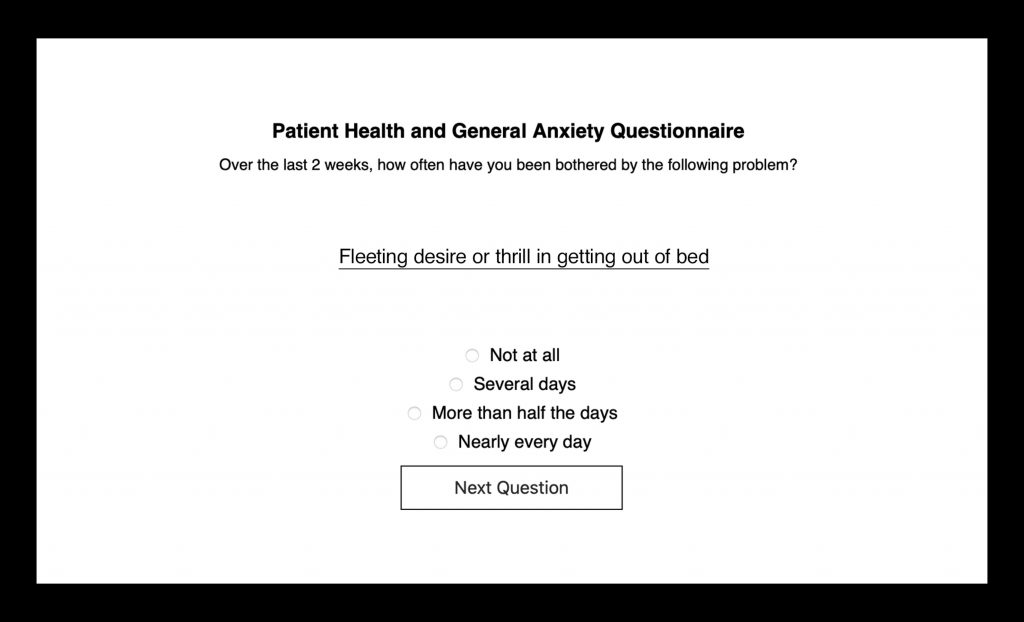
Below is a list of some of the new questions that were generated using this method.
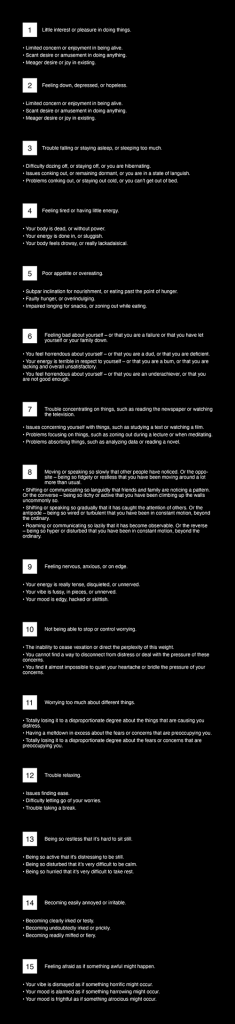
My line of enquiry for the second method that I explored had more to do with the actual form itself.
How can I convey the pejorative semantic shift that I have experienced by repeatedly engaging with these questions by translating the form into something that loses its meaning?
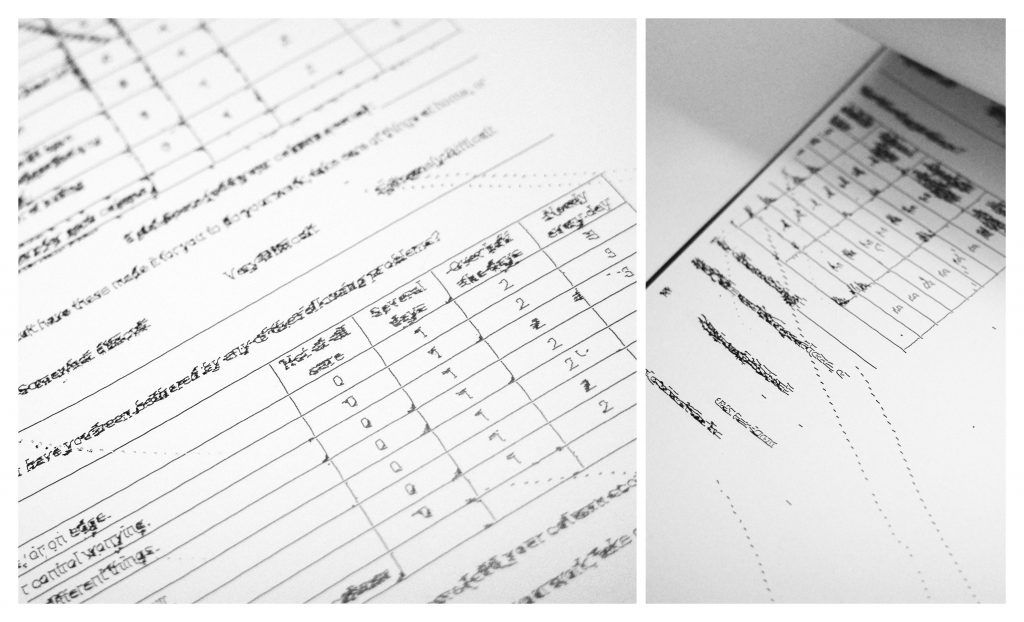
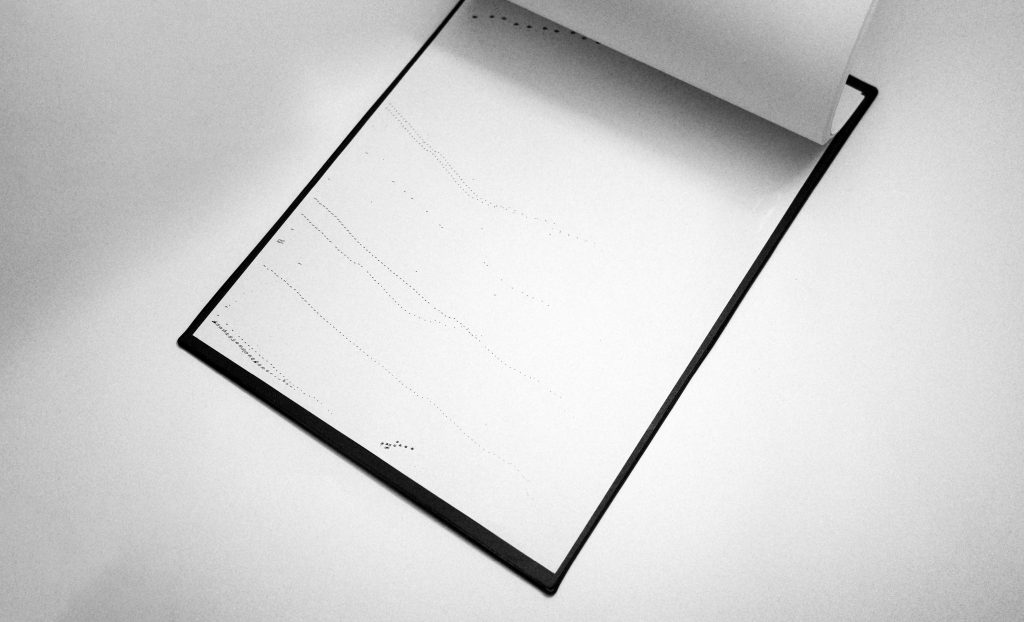
I reproduced one hundred copies of the original form, in order to emulate the action of repeatedly completing the assessment. I wanted to utilize a bureaucratic method of reproduction which is why I chose to use a copier. .
Leave a Reply